
How to Brief a PR Box: A Practical Guide for Launch and Influencer Mailings
Author: Akif Öztürk · Published: August 17, 2026
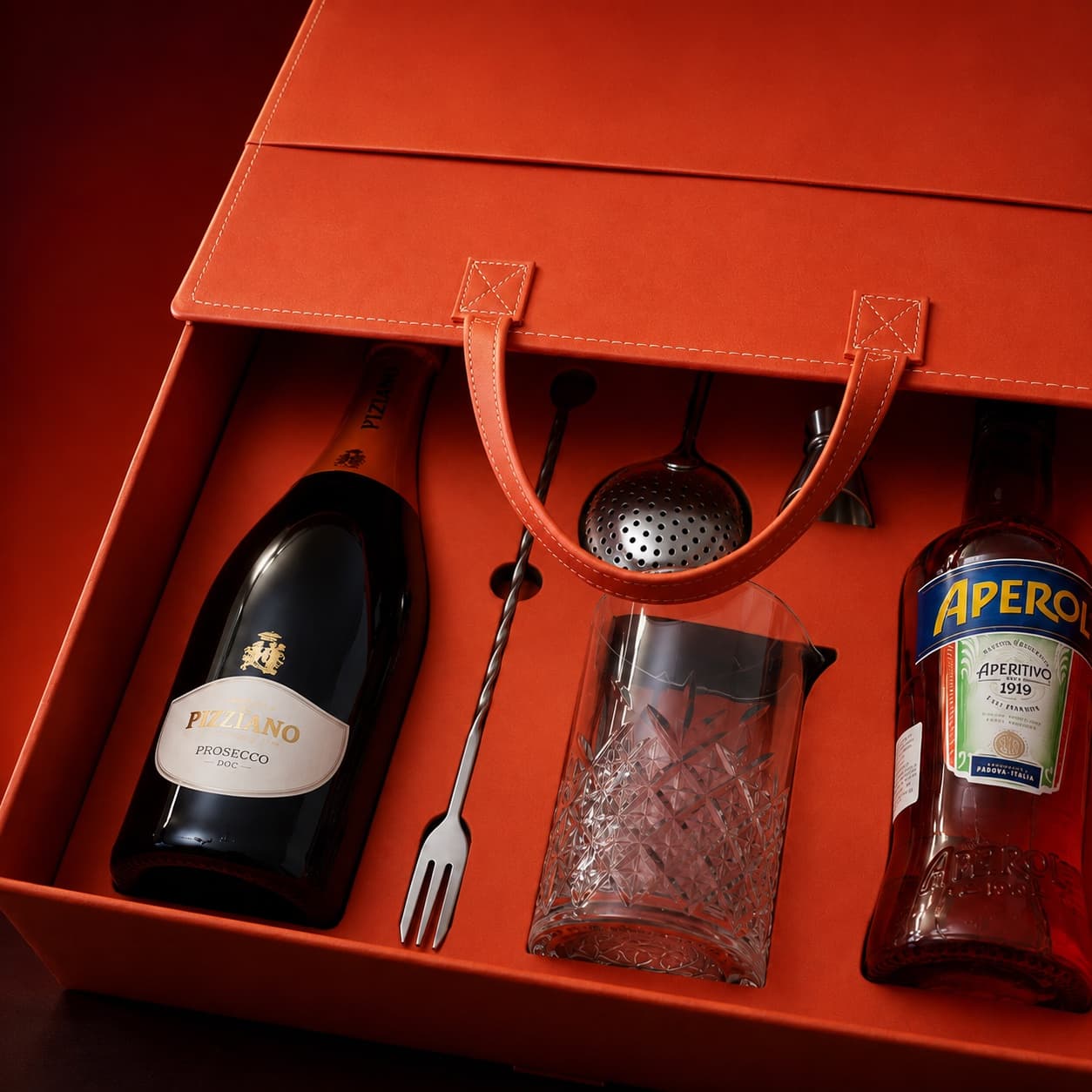
Once unboxing videos became a format of their own, a PR box stopped being a shipping problem and became a small piece of stagecraft. The moment a creator's camera moves in on the lid, the packaging is the first thing the audience sees, often before the product itself, and it carries the whole opening beat: how the lid moves, what appears first, what the box feels like in the hand.
Most of what gets written about PR mailings covers the content side: who to send to, what to include, how to time the send. What tends to go missing is how the box itself gets built, the structural and sequencing decisions that decide whether that opening beat actually lands on camera.
We build presentation and PR kits by hand in our atelier in İzmir, and it is some of our favorite work precisely because the brief is never just a box, it is a small sequence of moments. This guide walks through that from the manufacturing side: how a kit is put together, how the reveal is sequenced, what a quote actually needs from you, what drives cost, a realistic brief-to-shipment timeline, and the mailing list logistics that decide whether the box even reaches the person it was designed for.
The Anatomy of a PR Box: Four Layers, One Scene
A well-built PR box works in four layers, and each one is a separate decision rather than an afterthought. The first is the outer shell: the rigid body and the lid mechanism. A magnetic fold-front lid lowers its own front face as it opens, turning the box into a small display case in one motion. A double-wing hinge gives the most dramatic reveal, opening outward like a stage curtain. A full lift-off lid shows the entire layout in a single frame instead of a staged sequence. The lid type is effectively the decision that sets the first second of the video.
The second layer is the interior. A multi-compartment tray, cut in board, foam or velvet-wrapped cavities, holds every piece exactly in place so nothing shifts in transit, and the reveal still looks composed the moment the lid lifts. The layout also controls viewing order: which item sits on top in full view, which one waits beneath a divider for the second beat of the reveal.
The third layer is the message: a printed interior panel or a personalized card in its own cut slot, so the first thing a creator reads after the hero item is a line written for them specifically. The fourth layer is the finishing detail, ribbon, a sticker, a small accessory, the piece that closes the story rather than opening it. Skipping one of these four layers usually shows up on camera as a flat, single-beat reveal instead of a sequence.
Sequencing the Reveal: What Opens First
A PR box brief is not finished once the content list exists, because the content list only tells you what is inside. The sequence, what a viewer sees in the first second, the second, and the third, has to be designed on top of that list, and it cannot be designed until the list is locked. This is the step brands most often skip, assuming the reveal will simply take care of itself once the pieces are in the box.
A strong sequence works in three beats. The first beat is the hero shot: the instant the lid lifts, exactly one thing should read, either the hero product or the brand's opening line, never both competing for the same second. A box that tries to show everything at once tends to show nothing memorably. The second beat is discovery: a ribbon pull that lifts a divider, a second compartment that appears once the first layer is lifted away, pieces that reveal themselves in a defined order rather than all at once. The third beat is the personal touch, a name printed on a card, a ribbon tied by hand, the detail that tells the recipient this particular box was made for them.
We design this sequence with the camera in mind, because most unboxing footage is shot one-handed, with the other hand holding a phone. That is why a magnetic lid is so common in this category: it opens cleanly with one hand, with no clasp or knot to slow the shot down. The same logic applies to the surface finish; a matte wrap avoids the flare a glossy one throws under phone flash, and foil or spot UV, used with restraint, catches light and adds depth instead of glare.
What a PR Box Quote Actually Needs
A quote is only as accurate as the brief behind it, and a vague brief produces a vague number followed by a second round of questions. The first thing we need is the content list itself, with the real dimensions of every piece that has to fit inside, the hero product, any accessories, cards, ribbon, and how many of each go into a single kit. Guessing at this later, after the box is already designed, is how a compartment ends up too tight for one item and rattling around another.
Second is order size. Order size for a PR run is set per box model and dimensions rather than pinned to one fixed figure, and a short list of hand-picked names and a larger seeding wave both count as normal work in our atelier; the exact number is confirmed once we know the model and finishes. Third is the finish list, named specifically rather than described loosely: foil stamping and the color, embossing or debossing, spot UV, ribbon, and the interior material, whether that is a die-cut board tray, a foam cradle or a fabric-wrapped compartment. Each of those changes tooling and assembly time, so naming them up front is the difference between one accurate number and three rounds of revisions.
Last is your timeline, specifically the date the box needs to be in hands, since PR kits are almost always built backward from a launch date rather than forward from a start date. If you already have a dieline or artwork, send it; if you do not, the dimensions are enough for us to build the structural drawing and share it back for approval before anything is cut.
What Drives Cost: Tooling, Interior Complexity and Run Size
Cost in this category comes from three places, and knowing them lets you read a quote instead of just reacting to the total. The first is one-time tooling: the structural drawing for a new box shape, and foil dies if you are using foil or emboss. These costs are fixed regardless of run size, so they land harder per box on a short run and almost disappear per box on a larger one. Working close to a shape we already tool for keeps this cost down; an entirely custom form raises it but usually earns its keep in how memorable the box looks on camera.
The second driver is interior complexity: the number of compartments, the number of layers, and the material in each one. A single foam cavity assembles quickly; a four-layer reveal with a ribbon-pull divider and a printed message panel takes longer to build by hand, and that time is the real cost, not the raw material. The third driver is run size itself, for the same reason as tooling: fixed costs such as the dieline and the sample spread across fewer or more boxes.
The practical rule when budget is tight: protect the sequence before the finish list. A simple two-layer reveal with a clean hero shot and a well-timed personal touch reads stronger on camera than a box with foil, emboss and spot UV all competing in a single frame without a reveal to carry them.
From Brief to Shipment: A Realistic Timeline
Once the content list and finishes are locked, the structural drawing comes first: box shape, compartment layout and print areas all meet on one technical drawing. The sample comes next, ready within days. It is not a formality in this category: a reveal that looks correct on screen can still fail in the hand, a divider that should lift cleanly can catch, a card slot fine in a render can sit crooked once cut. Only a physical prototype catches that before it becomes a production-wide problem.
After the sample is approved, the short run moves through hand-wrapping, interior assembly, and the foil and ribbon detailing. Personalization and final packing are the last step, and they cannot start until the mailing list is locked, since name cards cannot be printed against a list that is still moving.
The one rule worth holding onto: PR kits ship before the public launch, not on launch day, because anticipation is built in the days before, not after. Build the calendar backward from your target date and leave the creator real time to shoot and post before the news is already out. Leave a few weeks of buffer between brief and launch for the sample round and freight; a sample revision costs you days, but a calendar with no buffer at all costs you the whole campaign if anything slips.
Mailing List Logistics: The Part Campaigns Overlook
The best-designed box says nothing if it goes to the wrong address or gets returned because no one was home. The mailing list deserves the same discipline as the box itself. Collect addresses through a single intake form rather than scattered messages, and gather any sizing, color or preference details in the same form so personalization is not chased down individually afterward. Some creators use a forwarding or PO box address to keep their home address private; leave a field for that option.
Personalization is locked the moment the list is locked, not before. A printed name card cannot go to press against a list that might still change, and a last-minute name swap after cards are printed is a real cost, not a small one. On ship day, match every tracking number to the name on the list as the boxes go out, so a delivery exception can be caught and resolved instead of discovered days later when the creator never mentions receiving anything.
Keep the outer shipping carton part of the plan, not an afterthought. A rigid box holds its shape well in transit, but it still benefits from a snug protective outer layer so the corners that took real care to finish arrive exactly as they left the atelier.
Common Mistakes Worth Avoiding
A handful of mistakes show up again and again in this category, and nearly all of them come from starting the process at the wrong end. The most common is choosing the box shape before the content list is finalized; dimensions decided too early tend to leave a compartment either rattling loose or too tight for what actually needs to go inside.
The second is skipping the sample. A reveal sequence can look flawless on a screen and still fail once someone actually lifts the lid; only a physical prototype tells you the truth. The third is leaving personalization until the last minute; name cards cannot print until the list is locked, and that one delay is what drags an otherwise on-schedule project past its ship date.
The last is a timing mistake rather than a production one: mailing an identical kit to a very long list all at once can read as a mass send rather than a personal gesture, which undercuts the entire point of the format. A shorter, carefully matched list, sent with real personalization, tends to outperform a longer list sent without it.
Let's Design Your Opening Moment
We have been forming and wrapping rigid boxes by hand in our atelier in Bornova, İzmir since 2010, founded by Akif Öztürk, who has worked in packaging since 1992. PR and launch kits are some of the projects we enjoy most, because every one of them is a small opening scene rather than just a container, and we ship them across Turkey, into the EU and to the US.
If you have a mailing planned, send us your content list and your target date. We typically come back with a construction proposal and a quote within 24 hours, and you can test the reveal sequence yourself on a physical sample before the full run goes into production.
Get a clear quote for your project
Share your dimensions, quantity and timeline; we typically reply within 24 hours.